Translated automatically by AI from the Italian original.
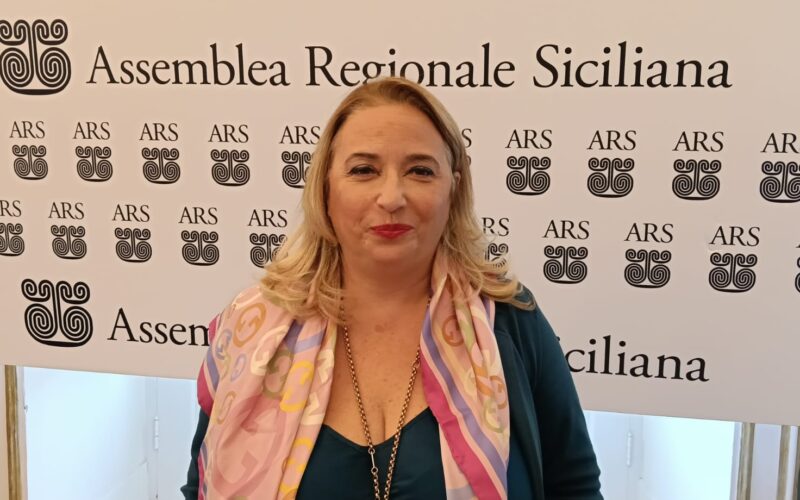
PALERMO – A concrete response to the high cost of living and a decisive turning point for Sicily’s long-standing precarious workers. During a press conference held this morning at the Sicilian Regional Assembly, member of the Sicilian Regional Assembly Marianna Caronia (Noi Moderati) announced that a high-level agreement had been reached with the Schifani government on the dispute involving ex Pip and ex Keller workers.
The provision increasing working hours to 36 hours per week (full time) for the approximately 2,000 workers involved will be officially included in the base text of the Regional Stability Bill, which the regional executive will submit in the first week of November.
Hourly increase postponed for technical reasons: “The result is what matters”
Explaining the reasons for postponing the measure within the upcoming corrective budget maneuver, the parliamentarian clarified that it was an agreed choice based solely on technical grounds.
“For reasons related to the structure of the adjustment maneuver, the government asked to postpone the provision on increasing the hourly workload,” Caronia explained. “This is a necessity I have shared, because what matters is the final result, not the procedural tool. I thank the President of the Sicilian Region, Renato Schifani, for personally taking on this solemn commitment, and the regional minister for the Economy, Alessandro Dagnino, for the productive work carried out.”
Decisive in the negotiations was also the push from Noi Moderati’s national political coordinator, Saverio Romano, whose political dialogue with the regional executive unblocked the long-awaited process.
“A 30-year journey: dignity restored to 2,000 families”
The pool of ex Pip workers, created during the “Primavera di Palermo” season of the Orlando administration and later merged into the Region in 2009 as a pool of beneficiaries, today represents about half of the staff of SAS (Servizi Ausiliari Sicilia).
“With the Schifani government, we had already secured their permanent positions, but due to financial constraints, this came with reduced-hour contracts and salaries of just over €800 a month, below the poverty line,” Caronia emphasized. “Restoring a full-time contract of 36 hours and a dignified salary to these workers means closing a 30-year journey and breaking the chains that turn precarious work into an electoral pool, finally setting them free.”
The commitment will be formalized by the regional government directly in the Chamber at the Sicilian Regional Assembly before the start of the budget session, with the parliamentarian hoping that the model can be replicated for other pockets of precarious work on the island, starting with local authority contractors.