Translated automatically by AI from the Italian original.
European supermarkets and critical infrastructure under attack
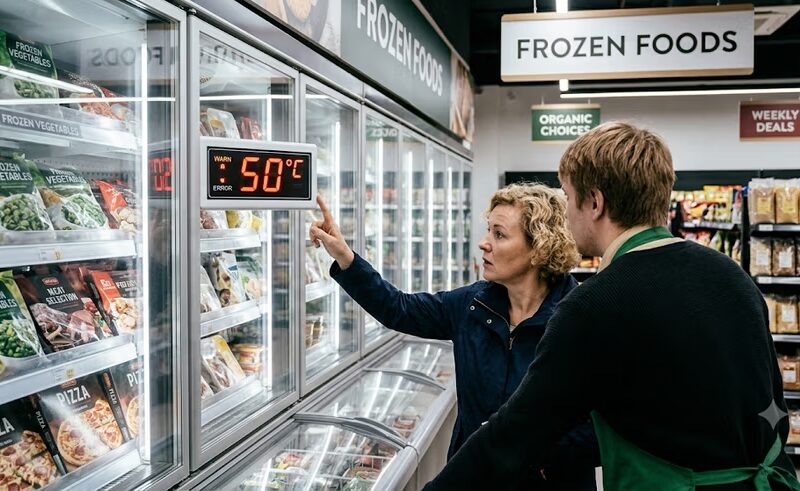
A wave of cyberattacks is hitting food retail and the agri-food supply chain hard across Europe. Italy is among the affected countries: in Sicily, several Coop supermarkets in the provinces of Palermo and Catania have had their refrigerated display management systems tampered with, causing temperature fluctuations and major damage to food preservation. Similar incidents have been reported by a collective catering company in Tuscany and a frozen food business in Emilia-Romagna.
The postal police are working to trace the origin of the attacks and identify any links with cases recorded elsewhere in Europe.
The response of Italian institutions
The seriousness of the situation has prompted swift government action: a summit was held at Palazzo Chigi, chaired by the deputy minister to the prime minister, Alfredo Mantovano, together with the heads of intelligence and the National Cybersecurity Agency (ACN).
The ACN has stepped up monitoring and urgently called on food retail and cold chain operators to raise protection levels, recommending thorough checks of internet-connected devices and stronger credentials and remote access protection.
A systemic threat at European level
These are not isolated incidents but part of a worrying trend: cybercriminals are increasingly targeting essential services with the aim of causing large-scale operational disruptions. Escalating geopolitical tensions and the use of artificial intelligence allow malicious actors to quickly scan networks for vulnerabilities.
The vulnerability of refrigeration goes far beyond supermarkets and affects strategic sectors such as hospitals and healthcare, the pharmaceutical industry, water services and data centres.
The European Union’s reactions
EU agriculture commissioner Christophe Hansen has expressed strong concern over what he calls “a deliberate attempt to disrupt the food supply chain and undermine consumer confidence”. While reassuring that overall food safety is not at risk, Hansen stressed the serious impact in terms of food waste and economic damage to businesses, announcing that he will raise the issue with the College of Commissioners.
A European Commission spokesperson confirmed that emergency protocols have been activated via the CYCLONe network for cross-border coordination, recalling the role of EU legislation such as the NIS2 directive, the Cyber Resilience Act and the Cyber Solidarity Act.
There remains considerable uncertainty over the identity of those responsible—whether a lone hacker or a foreign power—as attributing authorship of such cyberattacks remains an extremely complex challenge.