Translated automatically by AI from the Italian original.
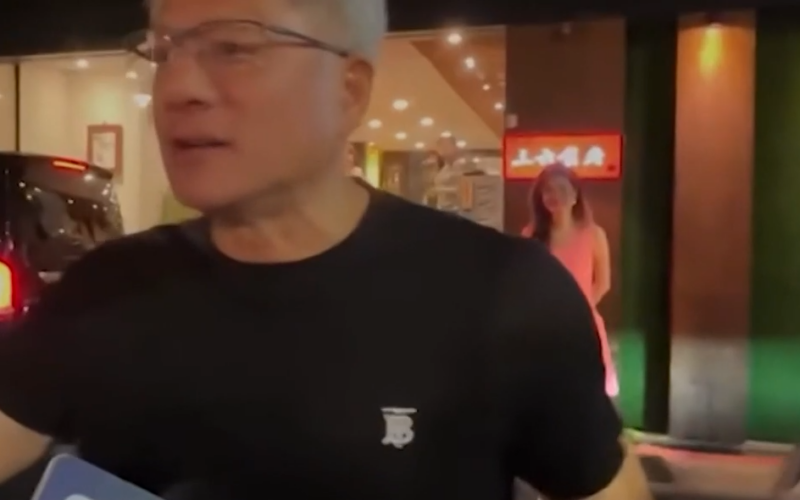
WASHINGTON / SANTA CLARA (USA) – A devastating political, corporate and geopolitical earthquake is shaking the global leaders of technology and artificial intelligence. The board of directors of Nvidia – the US giant and global leader in semiconductor production – has announced the launch of an independent investigation into CEO and co-founder Jensen Huang, after the manager himself admitted to having had an intimate relationship with a woman identified by US intelligence as an alleged spy working for Beijing.
The news immediately sent Nvidia’s stock sliding in pre-market trading on the Nasdaq, where it recorded a 6% drop.
The confession by Huang and the shadow of Chinese intelligence
The case erupted after the New York Times revealed the woman’s identity: Alice Huang (real name Huang Le, no relation to the 63-year-old CEO, who was born in Taiwan), a Chinese executive linked to Megaspeed, a data centre company based in Singapore that Washington suspects of facilitating the transfer of advanced AI chips to China.
In a letter sent to all employees, Jensen Huang admitted his personal responsibility:
“I have been unfaithful to my wife. My actions have hurt her and our children. There is no excuse for what I did; I deeply regret it. Leading Nvidia is the privilege of my life, but I have not lived up to this responsibility.”
Oversight of the confidential files sent to the top US institutions has been handled by Secretary of State Marco Rubio. US intelligence suspects the woman may have gathered confidential information both on the company’s industrial secrets and on the direct, informal relationship between Huang and US President Donald Trump.
Trump’s stance and tensions ahead of the Shenzhen summit
Despite the launch of the internal investigation – with Nvidia’s board stating it “has no reason to believe that company secrets or national security have been compromised” – the affair is taking on the dimensions of a state-level confrontation.
Donald Trump, who was informed by intelligence about the relationship a year ago, has rushed to defend the Nvidia CEO, calling him a strategic ally, asking that he remain at the helm of the company and announcing he wants to take him to China for the upcoming summit with President Xi Jinping in Shenzhen.
From Brussels to Beijing, the Chinese government’s response was not long in coming. During the daily press conference in Beijing, foreign ministry spokesperson Guo Jiakun rejected all accusations:
“The claims regarding an alleged Chinese spy are nothing but groundless speculation, aimed at defaming and discrediting China.”
Meanwhile, the commercial front remains open: around 600,000 advanced Nvidia processors are currently stuck in Hong Kong awaiting import approval from mainland Chinese authorities.
No halt to business: strategic agreements in South Korea
Despite the intelligence storm, Nvidia is continuing its industrial expansion. Today the company signed important memorandums of understanding in Seoul with South Korean giants SK Telecom and Rebellions for the integration of chips for data centres using NVLink Fusion technology, and with Kakao Mobility to develop level 4 autonomous driving systems for Kia vehicles.