Translated automatically by AI from the Italian original.
MILAN / PALERMO – The national government has taken a two-pronged approach to defuse the deadlock that has paralysed the haulage sector for days and avert a collapse of Italy’s logistics and distribution chain.
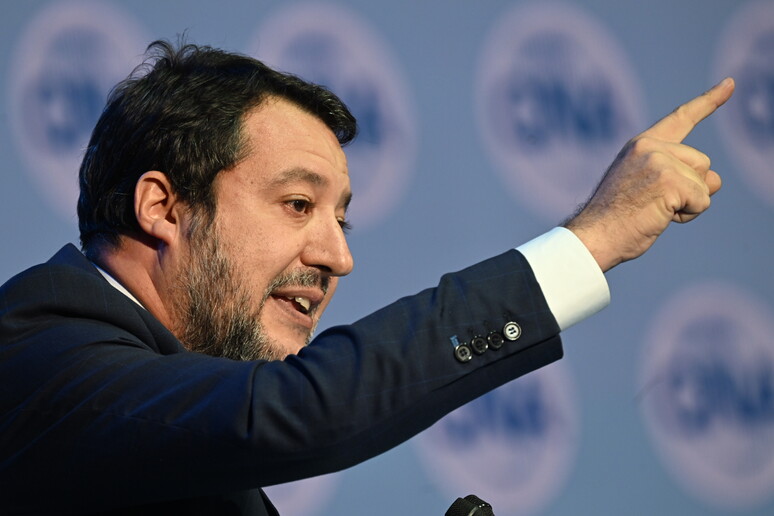
During a packed day of meetings in Milan, the deputy prime minister and minister for infrastructure and transport, Matteo Salvini, announced the immediate release of €430 million already budgeted for the sector. At the same time, from the Lombard capital, the deputy minister Edoardo Rixi issued a peremptory warning to protesters: while the right to strike remains sacrosanct, prolonged blockades at ports, motorways and key roads will no longer be tolerated to protect public order.
Immediate funds this week and an extra €150 million for high freight rates
The first payments to transport companies will begin this week to overcome bureaucratic hurdles and provide financial relief to hauliers hit by rising diesel costs.
“Many businesses cannot wait any longer,” Salvini stressed, announcing an additional €150 million for tax credits and to offset increases in maritime freight rates caused by the application of the EU ETS directives.
The minister openly criticised several EU emissions regulations, calling them “out of touch with reality” because they prevent the release of more than half a billion euros earmarked for renewing the vehicle fleet. Salvini also reaffirmed the central role of road transport (which carries 90% of Italy’s goods) and pledged specific protections for the islands, starting with Sicily and Sardinia.
Among the legislative changes under consideration are a reduction in the cost of professional driving licences and a voluntary extension of the age limit for heavy goods vehicle drivers from 68 to 70, subject to a suitable medical examination.
First breakthroughs in the South, but tension remains high at ports
The package of measures and the two rounds of talks (with national organisations in the morning and regional representatives in the afternoon) have begun to yield the first results in the South. In Sicily, Campania and Apulia, several associations have removed their blockades—such as those paralysing the San Gregorio toll booths in the Catania area or the SS189 Agrigento–Palermo road—restoring the flow of essential goods to supermarkets, pharmacies and businesses struggling with supply shortages.
However, pressure remains high around key hubs such as the port of Naples.
“We are trying to prevent the disruption from affecting citizens, hospitals and the production chain,” Rixi emphasised on the sidelines of the summit. “The government has deployed listening, resources and legislative changes. Protest is legitimate, but indefinite blockades are unacceptable: anyone who cares about the country must help restore normalcy by the end of the day.”