Translated automatically by AI from the Italian original.
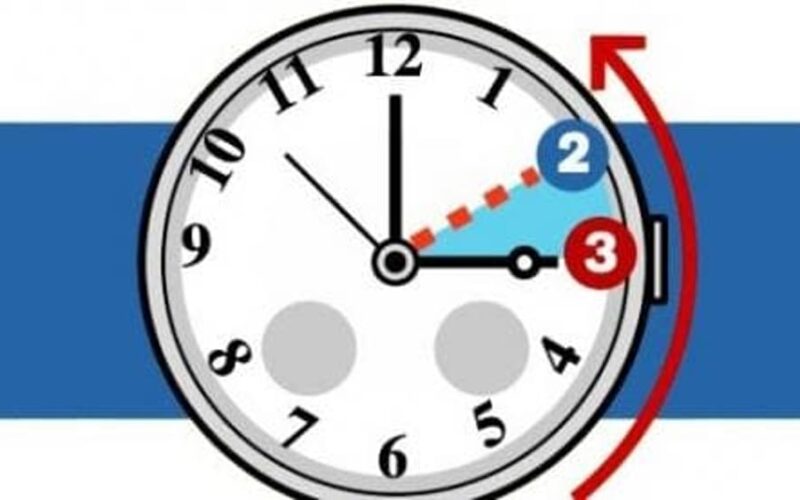
ROME – Tonight sees the usual autumn switch as clocks change. At 3am the hands go back one hour to 2am, marking the return of Greenwich Mean Time. While we gain an extra hour in bed and enjoy brighter mornings, the afternoons will noticeably get darker earlier, with one less hour of evening light.
The daylight saving regime – which over the summer months saved an estimated 300 million kWh of energy (worth almost €90 million) – will come back into force in the night between 27 and 28 March 2027.
Growing push for permanent summer time: 360,000 signatures and pressure from SIMA
The twice-yearly clock change has reignited public debate, led by the Italian Society of Environmental Medicine (SIMA) and Consumerismo No Profit, which have launched an online petition already signed by more than 360,000 people. The proposal to keep summer time all year round has won unanimous support from industry, trade unions and consumer associations.
Experts say permanent summer time would bring benefits on three main fronts:
- Environmental: Extending summer hours would cut climate-changing emissions by between 160,000 and 200,000 tonnes of CO₂ a year, equivalent to the absorption effect of planting 2–6 million new trees.
- Health and psychophysical: SIMA president Alessandro Miani points out that the time shift disrupts the circadian rhythm (the body’s internal clock), causing insomnia, loss of concentration and mood swings. International studies also link the clock change to a temporary rise in workplace accidents and road crashes.
- Safety: The earlier onset of darkness under GMT has historically coincided with a statistical increase in predatory crimes such as theft and robbery.
How to overcome the “mini jet lag”: paediatrician Farnetani’s strategies
Even though putting the clocks back gives us an extra hour in bed, the effect on the body is like a mild case of jet lag. It takes about a week for circadian biorhythms to readjust – especially in children.
Well-known paediatrician Italo Farnetani suggests a number of practical steps to ease the disruption:
- Gradual sleep management: In the first few days it is best to go to bed according to the previous summer time (someone who went to bed at 11pm should initially go to bed at 10pm under the new time). After that, bedtime can be put back by about 10 minutes a day for six consecutive days until the rhythm is restored.
- Make the most of breakfast: Waking up naturally about an hour earlier in the first few days creates a useful time buffer. Farnetani recommends using this “head start” to spend time on a hearty, proper breakfast, which is essential to kick-start the metabolism and support cognitive performance after the night’s fast.