Translated automatically by AI from the Italian original.
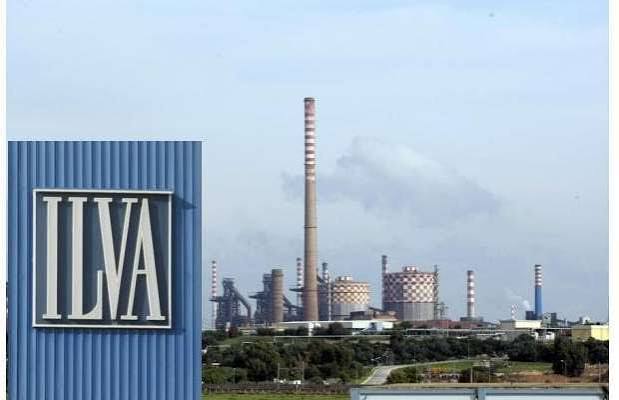
TARANTO / ROME – The ruling by Italy’s highest court, the Court of Cassation, on the definitive closure of the hot area at the former ILVA plant in Taranto opens a scenario of deep uncertainty for the Italian steel industry. Commenting on the Supreme Court’s decision is Antonio Spera, national secretary of UGL Metalmeccanici, who urges the government and social partners to take immediate action to avoid irreversible employment and production setbacks.
Although the situation has become extremely complex, the union reiterates that a path to industrial revival remains feasible, provided the strategic plan already outlined at the Presidency of the Council of Ministers is swiftly implemented.
Antonio Spera (UGL Metalmeccanici) speaks
The national secretary of the trade union organisation expressed strong concern over the deadlines imposed by the court ruling, calling for the immediate opening of a negotiating table:
“The Court of Cassation’s decision on the definitive closure of the hot area in Taranto marks an extremely delicate turning point for the future of the plant and the job prospects of thousands of workers. Now we must act with speed and responsibility, starting from the shared document at Palazzo Chigi, an industrial plan to ensure industrial continuity, steel production in our country and job protection.
We do not comment on the judiciary’s decisions, but we had expected more suitable timelines to begin a decarbonisation process and tackle such a delicate phase by preparing an alternative industrial plan based on DRI (direct reduced iron) and electric arc furnaces. Now the situation is inevitably more complex and we cannot afford to waste any more time.”
— Antonio Spera, UGL Metalmeccanici national secretary
Priorities: conversion, clear timelines and guarantees for workers
For UGL Metalmeccanici, the main route remains turning the crisis into an opportunity for ecological modernisation of the plant, ensuring all employment levels are maintained:
- Immediate roundtable: prompt start of dialogue between ministerial institutions, company management and trade unions.
- Conversion without the hot area: development of a sustainable steelmaking model to offset the shutdown of the hot area through clean technologies and targeted investments.
- Social protection: guarantee clauses to prevent the fallout from the transition and legal disputes from affecting workers and related businesses.
“We believe it is essential to turn this critical phase into a credible path of conversion and development through investment, clear timelines and job guarantees. The priority is to protect workers and build a sustainable industrial future, ensuring they do not once again pay the highest price.”
— Antonio Spera, UGL Metalmeccanici national secretary