Translated automatically by AI from the Italian original.
Israeli president Isaac Herzog has completed political consultations and will announce on Sunday who will be tasked with forming the new government. Meanwhile, support for outgoing prime minister Benjamin Netanyahu is crumbling.
The right-wing alliance is losing ground: the two ultra-Orthodox Ashkenazi parties united in “United Judaism” have chosen not to endorse any candidate for prime minister, depriving Netanyahu of 7 decisive seats and positioning themselves as kingmakers. Their condition for supporting any future coalition remains the approval of a law maintaining the exemption from military service for yeshiva students. Only Itamar Ben-Gvir (Jewish Power) has confirmed his support for Netanyahu.
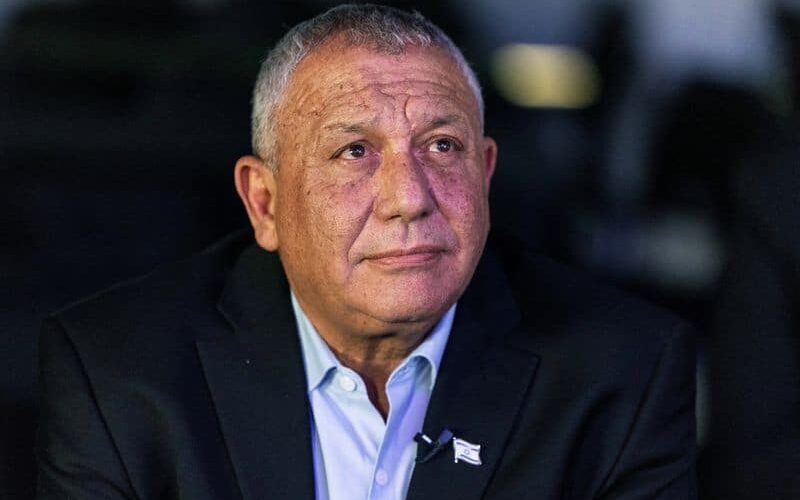
On the opposite side, the Arab parties have decided to back Gadi Eisenkot (pictured) for the premiership, making the political landscape even more fragmented.
Who is Gadi Eisenkot
Gadi Eisenkot is a former general who has taken on the task of breaking the continuous dominance exercised by current prime minister Benjamin Netanyahu over Israeli politics. Netanyahu has led Israel’s main right-wing party, Likud, for 33 years. He has been prime minister, with a couple of interruptions, for 19 years and can count on the support of a large part of the electorate, who see him as the only leader capable of ensuring Israel’s security.
An Israeli military officer and politician born in Tiberias in 1960 to Moroccan-Jewish parents, Eisenkot grew up in Eilat and in 1978 joined the Israel Defense Forces (IDF), embarking on a long career in the Golani Brigade. He led various operations during the conflict in southern Lebanon, the second intifada and the 2006 Lebanon War, eventually serving as the 21st IDF chief of staff from 2015 to 2019. In this role he promoted the multi-year “Gideon” plan to reorganise the army and boost technological and cyber resources, establishing himself as a key figure in the evolution of strategic doctrine against Hezbollah and other armed groups.
In 2022 he entered politics as part of the centrist National Unity coalition. In October 2023 he joined the emergency government formed after the Israel–Hamas war, serving as a minister without portfolio and an observer in the war cabinet. In June 2024 he resigned in protest at the handling of the conflict. The following year he founded and took the helm of the Yashar party, running in the October 2026 legislative elections as the main centrist alternative to Benjamin Netanyahu. His profound personal tragedy—the loss of a son and two grandsons, who fell in combat against Hamas in Gaza after the 7 October attack—gives him an authority that shields him from the far right’s rhetoric, which often brands political opponents as linked to terrorism.