Translated automatically by AI from the Italian original.
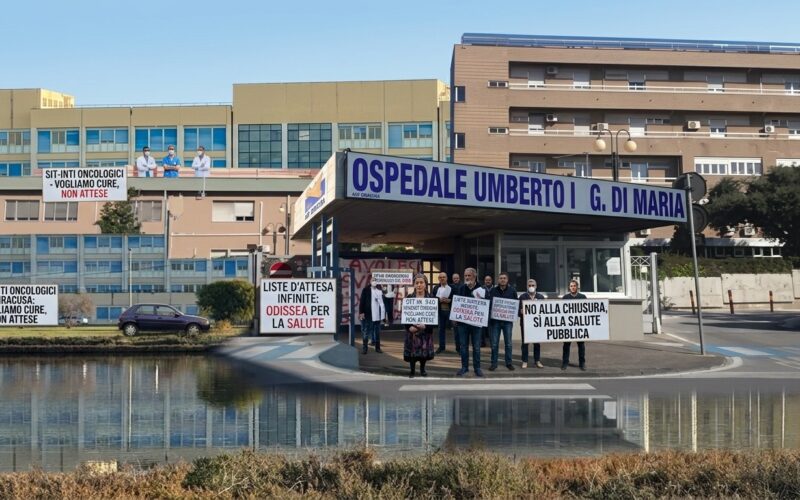
SYRACUSE – A protest sit-in has been organised outside Umberto I hospital in Syracuse to draw attention to the serious issues affecting the Complex Operational Unit of Medical Oncology. The event is scheduled for 9am next Friday on the hospital forecourt, where patients, relatives and associations will gather to demand urgent action on staffing levels and continuity of care.
The initiative fits into the broader and complex picture of access to treatment and respect for waiting times across the province of Syracuse. An analysis of performance monitoring data from ASP 8 facilities (including the main hospital in the provincial capital, Muscatello in Augusta, the Lentini site and the unified centres in Avola and Noto) reveals a clear gap between the priority codes set by the Region and the dates actually available at the CUP.
Major issues: imaging diagnostics and specialist visits
Findings across the province show a marked imbalance in some high-demand areas:
- Imaging diagnostics (MRI and CT): Bookings for magnetic resonance imaging (with and without contrast) and CT scans have the longest waiting times, particularly when provincial schedules saturate the availability of major equipment at Umberto I and Lentini hospital.
- Cardiology visits and echocardiograms: High demand for primary and secondary cardiology checks clashes with a structural shortage of specialists in local clinics, pushing appointment dates well beyond the prescribed time limits for Scheduled (P) classes.
- Ophthalmology and dermatology: These specialities consistently show an imbalance between public provision and local demand, resulting in waiting lists far exceeding the recommended 120-day threshold for deferrable procedures.
The rise of “private care” and passive mobility
Lengthy waiting times produce two direct consequences for users in the province of Syracuse:
- Increased out-of-pocket spending: Many families are forced to pay for visits and tests at accredited private centres and clinics to obtain a diagnosis in a timely manner, placing a heavy financial burden on low-income households.
- Movement to other provinces: There is a steady flow of patients choosing to book appointments at ASP Catania facilities or the major university-hospital centres on Mount Etna to bring their appointment forward, fuelling internal health mobility.
ASP responses and legal safeguards
In response to this situation, ASP Syracuse has launched corrective measures, including extraordinary opening of machinery and clinics in the afternoons and at weekends, as well as strengthening the external agreement system.
It should be noted that current legislation protects citizens: if the public facility is unable to provide the service within the time frames set by the priority code indicated on the prescription from the GP (Urgent, Deferrable or Scheduled), the user has the right to request access to the service under intra-moenia arrangements or at accredited private facilities, paying only the ticket fee (if applicable), with the cost borne by the health authority.