Translated automatically by AI from the Italian original.
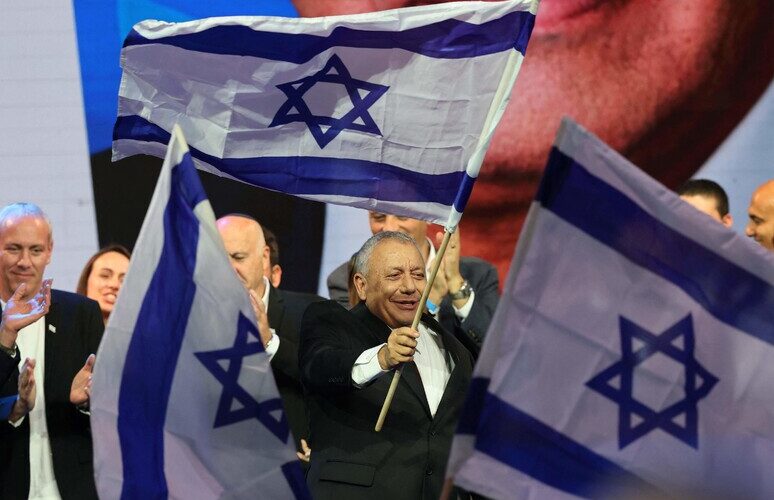
JERUSALEM – Israeli politics turns a page at the end of Shabbat. President Isaac Herzog has officially announced that he will entrust Gadi Eisenkot, leader of the Yashar party and figurehead of the Change Bloc, with the formal task of forming a new executive. The mandate ceremony is scheduled for 5pm (4pm Italian time) at the presidential residence in Jerusalem.
The decision follows two days of intense consultations in which the political forces of the Change Bloc recommended Eisenkot with a total of 67 Knesset members. The outgoing coalition of Prime Minister Benjamin Netanyahu received only 46 endorsements, while the ultra-Orthodox Ashkenazi formation United Judaism of the Torah chose not to nominate any candidate. Eisenkot will now have 28 days (potentially extendable by a further 14) to assemble the government.
The verbal clash between Netanyahu and Eisenkot
The imminent handover has sparked a fierce exchange between the outgoing prime minister and the prime minister-designate:
- Netanyahu’s appeal: In a video message released before the presidential announcement, Netanyahu called for a national unity government excluding the Arab component: “A government that depends on Hamas supporters will not fight Hamas. A government that depends on those who hate Judaism will dismantle the State of Israel from within.”
- The designated prime minister’s reply: Eisenkot dismissed Netanyahu’s words as “pathetic propaganda”: “If Likud wants unity, it must be ready to announce the dissolution of its alliance with the extremists Ben Gvir and Smotrich and accept my leadership. Those who have divided and torn society apart use the word ‘unity’ only when they realise their days in power are numbered.”
At the ceremony for the fallen of Operation Kadesh, outgoing Defence Minister Israel Katz also called for cohesion, stressing that in the face of major security challenges “it is legitimate to debate, but when the country is at stake we must set aside our differences.”
Coalition balances and the unknown of the Arab parties
Forming a new majority, however, looks complex within the anti-Netanyahu front. Eisenkot’s programme aims for a Zionist government that would introduce mandatory conscription for all citizens (including the ultra-Orthodox) and require Arab parties to openly condemn Hamas, also considering the option of a minority government with external support.
Parliamentary manoeuvring is already under way:
- Ra’am’s opening: According to reports in the daily Haaretz, the Arab party Ra’am is prepared to support an Eisenkot government externally, even without a coalition agreement, in order to speed up Netanyahu’s exit and avoid deadlock with the ultra-Orthodox parties. The United List will not vote in favour but will not adopt an obstructionist stance.
- Doubts within the Bloc: There are dissenting voices. Avigdor Liberman (leader of Yisrael Beitenu) has firmly rejected the idea of a government reliant on Arab votes, while simultaneously reopening dialogue on conscription with the religious parties.
The next four weeks will be decisive in determining whether the country can secure stable leadership or whether internal parliamentary divisions will prolong the period of political uncertainty.