Translated automatically by AI from the Italian original. Leggi l’originale in italiano
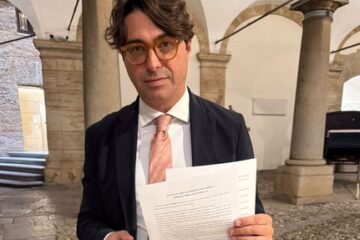
A public, detailed and convincing clarification, or resignation. This is the request made by Giancarlo Garozzo, a member of the regional executive of Italia Viva – Casa Riformista Sicilia, with responsibility for Legality and Justice, in relation to the recent corruption allegations that have emerged in the investigation involving the Municipality of Siracusa.
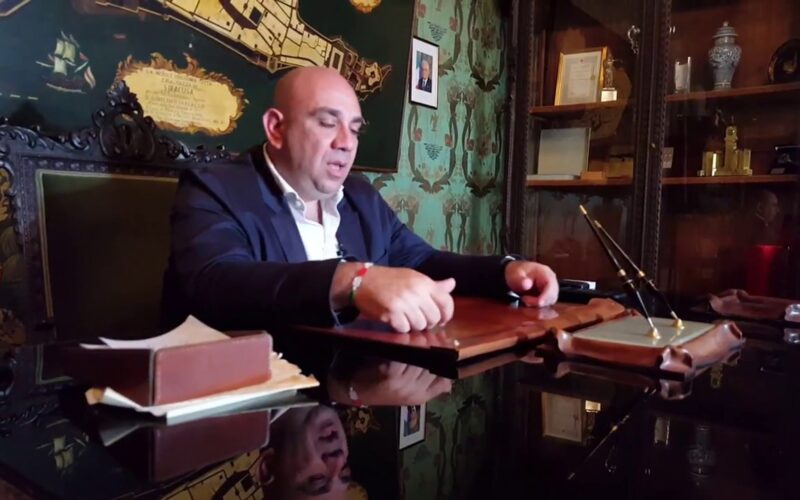
Garozzo deems the mayor’s response, entrusted to a short video on social media, insufficient, arguing that a few seconds of statements are not enough to clarify a matter that is causing deep concern among citizens.
“A few seconds of video on social media are not enough when it comes to ethical and political responsibility,” is the position expressed by the political figure, who urges the mayor to engage openly with the city and the political forces.
Political responsibilities at the heart of the matter
While clarifying that any judicial responsibilities must be established in the competent forums, Garozzo emphasizes the political and administrative consequences of the affair.
According to the Italia Viva member, the mayor should clarify whether he was aware of the circumstances contested by investigators. “If the mayor was aware of what was happening, he clearly underestimated the situation with extremely serious fault,” Garozzo states.
Otherwise, he continues, a significant political issue would remain open, since the allegations would, according to his reconstruction, concern a figure who enjoyed the mayor’s full trust and was appointed by him at the time of the contested events.
This is a firm stance that calls into question not only the judicial matter but also the criteria for selecting and overseeing individuals entrusted with roles in the municipal administration.
Comparison with the past and criticism of administrative management
In his remarks, Garozzo also references the era of the so-called “Sistema Siracusa,” when the Municipality was, in his view, seen as a bastion of legality.
Today, according to the political figure, the picture emerging from investigative reconstructions risks painting a profoundly different image of the institution, with possible links between clientelism and economic interests.
Garozzo speaks of inadequate administrative management and also references allegations of using municipal resources and dynamics for electoral purposes, even evoking the image of the Municipality as an “ATM” during election campaigns.
These are political assessments and accusations made by the Italia Viva member, while any criminal liability remains subject to judicial investigations.
“The mayor must clarify in the City Council or at a public assembly”
For Garozzo, the time for generic statements or delays is over. He is calling for an institutional or public confrontation to allow citizens to obtain precise answers about the matter.
The suggested venues are the City Council, an open press conference or a public assembly, leaving the mayor to choose the format, provided that the clarification is, in Garozzo’s words, “honest, detailed and convincing.”
The stance concludes with a political ultimatum: if the mayor is unable to provide answers deemed adequate to the gravity of the situation, he should take responsibility for the affair and resign.
“Give the people of Siracusa back their voice,” is Garozzo’s final appeal, as he denounces growing frustration over what he describes as poor management of public affairs.