Translated automatically by AI from the Italian original.
Urgent action requested over wolf presence in the Ferrara area: prevention, swift compensation and concrete coordination between the region and local areas
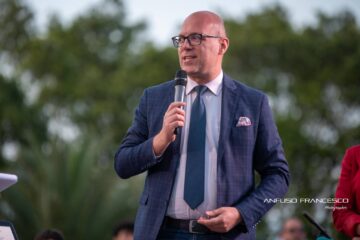
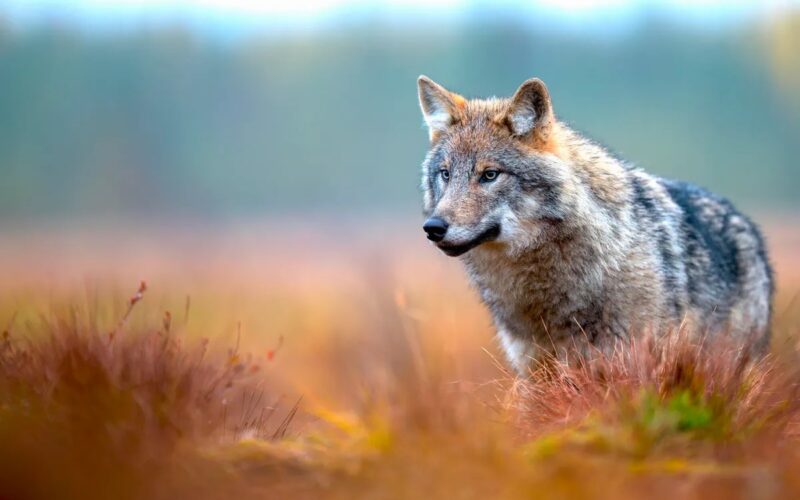
Wolf sightings in Emilia-Romagna are no longer isolated or confined to mountainous areas. Recent reports highlight widespread issues spanning from the mountains to the plains, directly affecting the provinces of Ferrara and Modena. Drawing attention to the emergency is Ghelfi Riad, regional secretary of the Patto per il Nord Emilia movement.
The latest incident in the Ferrara area, where an equestrian centre was likely attacked by wolves, has refocused attention on the real risks faced by farmers, agricultural businesses and residents. Meanwhile, in the Modena area, local authorities are also increasingly monitoring the species’ spread.
“This is not an issue for a single province; it requires a unified regional approach,” Riad said. “Protecting biodiversity is a fundamental value, but it cannot mean abandoning those who work every day in the countryside. We cannot leave farmers to face the damage and real threats alone.”
The movement’s proposals for an integrated management plan
Patto per il Nord Emilia is urging the region to move beyond piecemeal interventions and implement a structured action strategy, based on an updated map with constant monitoring of wolf sightings and reports across all six provinces; technical assistance and direct funding for the installation of electric fences and adequate protection systems; guaranteed and rapid compensation, achieved by streamlining bureaucratic procedures to assess damage and promptly reimburse affected farmers. It also calls for a permanent roundtable involving farmers, livestock breeders, municipalities and scientific committees. Decisions must be based on real data and existing regulatory tools.
“Those who live and work in the area are entitled to concrete answers,” Riad concluded. “Coexistence with wildlife must be based on a real balance: protecting endangered species also means safeguarding economic activities, farms and local communities with adequate resources and a people-focused approach.”