Translated automatically by AI from the Italian original. Leggi l’originale in italiano
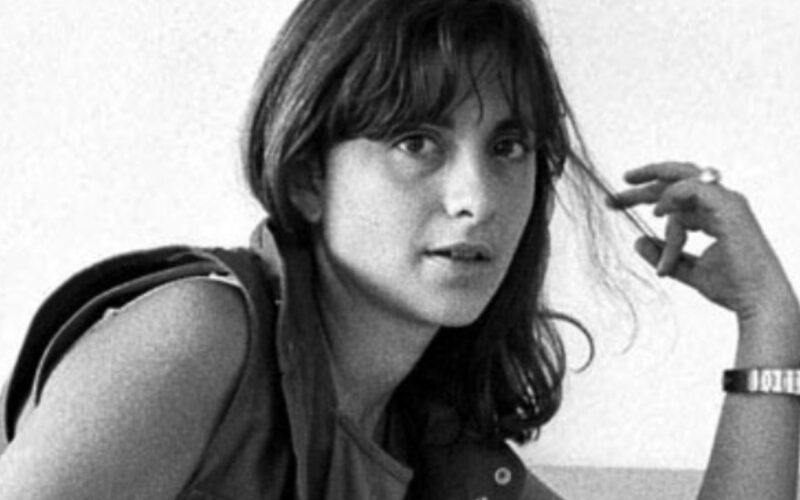
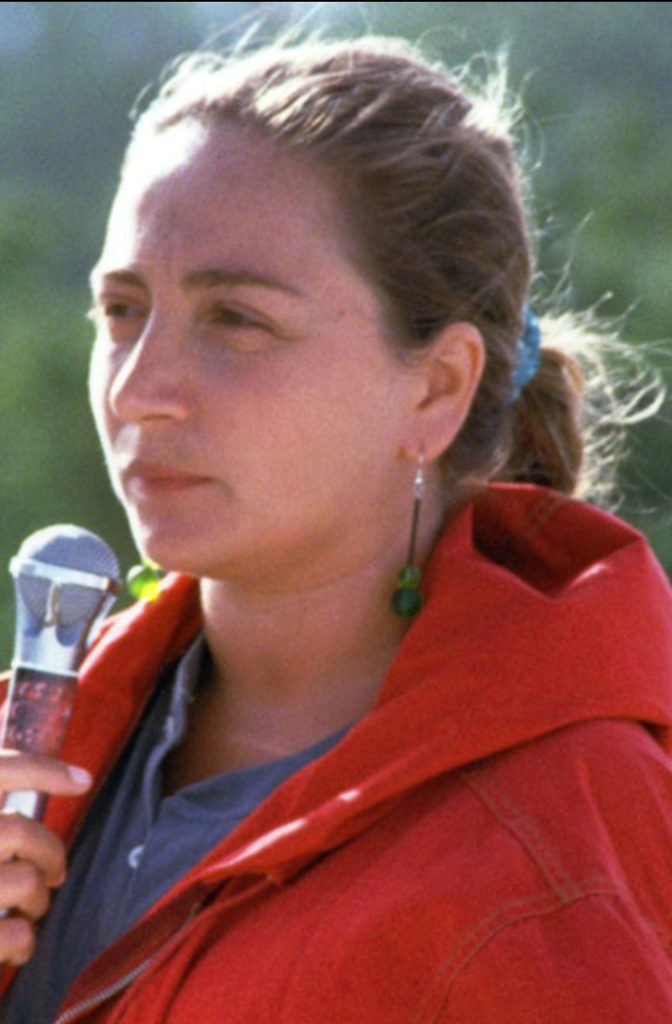
Ilaria Alpi and Maria Grazia Cutuli, two women, one mission: to tell the truth.
There are journalists who recount history, and journalists who, in recounting it, end up becoming part of it. Ilaria Alpi and Maria Grazia Cutuli belong to the latter category: women who chose to look the world in the eye, even when the truth wore the face of war, violence and the darkest interests.
Ilaria Alpi, a reporter for TG3, was killed in Mogadishu on March 20, 1994, together with camera operator Miran Hrovatin, while seeking to shed light on disturbing events linked to Somalia. Maria Grazia Cutuli, a journalist for Corriere della Sera, lost her life on November 19, 2001, in Afghanistan, while documenting a land scarred by war.
Two different stories, bound by the same destiny: not to look the other way.
They were not seeking glory, but answers.
They did not chase danger out of displayed courage, but because they believed a journalist’s duty was to go where others prefer not to look.
They knew that reporting on a war does not only mean describing battles, destruction and victims, but also listening to people, understanding responsibilities and seeking what is often hidden behind official versions.
Their work stemmed from the belief that every piece of news had a human face. Behind a number, a date or a headline were families, fears, hopes and shattered lives.
For this reason, Ilaria and Maria Grazia’s journalism was not mere reporting: it was a form of presence, a way to tell victims that their suffering would not remain invisible.
Their deaths leave us with a painful question: how much is the truth worth when someone is willing to kill to prevent its spread?
It is a difficult question, because the truth does not always have a visible price. Sometimes it costs threats, loneliness, fear and misunderstanding. Sometimes it forces one to challenge powerful interests, economic stakes and responsibilities that many would prefer to leave in the shadows. And yet, without people willing to seek it, reality risks being rewritten by those with more strength, more money or more power.
Being a journalist means having a pen, a microphone, a camera. But above all, it means having a conscience. It means knowing that behind every silence, injustices may hide, and that reporting them can become an act of courage. It also means verifying information, respecting others’ pain and not turning suffering into a spectacle. Press freedom is not just the right to speak: it is the duty to seek, check and bear witness.
In an age when news travels fast and is often confused with opinions, rumors or propaganda, their example appears even more important. Ilaria and Maria Grazia remind us that informing does not mean filling a space, but taking on a responsibility. Every word can help clarify the facts or confuse them; every image can restore dignity or exploit pain.
Ilaria and Maria Grazia are not just names etched in the memory of Italian journalism. They are wounds still open, testaments to a freedom that should never be sacrificed. Their memory lives on in schools, newsrooms, associations and in all those who continue to believe that a democratic society needs free, independent journalists capable of asking uncomfortable questions.
Thinking of Ilaria and Maria Grazia makes me reflect on how fragile the life of those who choose not to remain silent can be. It strikes me to imagine that behind those names we remember today were two women with dreams, affections and desires, who continued to do their job even in the face of fear. They were not abstract symbols, but real people, with lives that could have continued and many more stories yet to tell.
Perhaps this is what makes their sacrifice even more painful: knowing that they did not lose their lives seeking death, but carrying out their profession. They were there to understand, to observe, to give voice to what was happening.
Their choice teaches us that courage does not consist in the absence of fear, but in the decision not to let fear dictate what we can or cannot know.
Remembering them, however, does not just mean uttering their names at commemorations. It means reading carefully, not spreading false news, defending those threatened for reporting the facts and demanding free information.
It also means asking ourselves, every day, whether we are truly listening to the weakest voices or if we are merely following what is easiest and most convenient.
Perhaps we cannot change what happened, but we can choose not to forget them, to value their questions and to never grow accustomed to injustice. We can continue to seek the truth even when it is uncomfortable, even when it challenges our beliefs, even when it requires time and patience.
Because the cruelest way to kill someone, after taking their life, is to let their sacrifice be forgotten. Forgetting means allowing silence to win a second time, erasing not only the people but also the questions they had raised.
And I believe their courage should remind us, every day, that the truth is never just a piece of news: it is a right, a responsibility and, sometimes, a promise to keep. It is the thread that connects those who tell the story to those who listen, those who suffer to those who can understand, those who have been forgotten to those who still have the chance to give them a voice.
Because a journalist can be killed, but their question can continue to live. And as long as someone has the courage to seek answers, the truth will never be completely buried.