Translated automatically by AI from the Italian original.
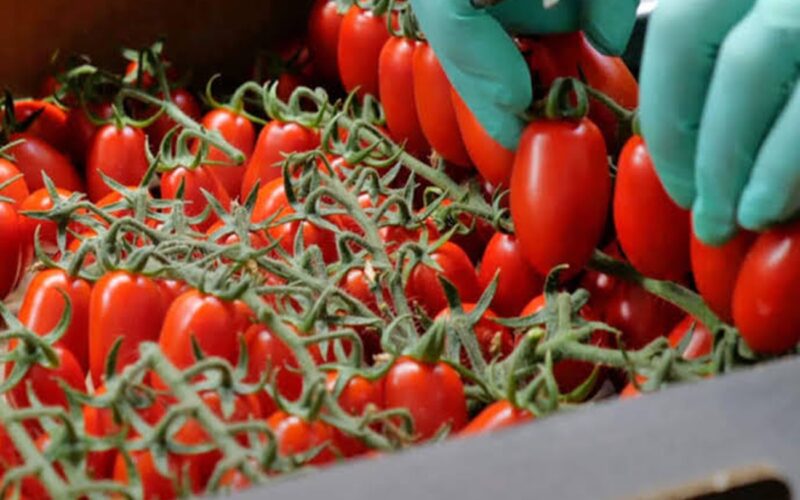
GELA (CL) – The alert triggered about a month ago over the presence of salmonella in a batch of cherry tomatoes produced in the Gela plain and withdrawn from the market on the orders of the Health Ministry has taken on national dimensions. While surveys intensify in the Gela area to trace the contamination chain, the repercussions of the case have crossed Sicily’s borders and are affecting public facilities in other Italian regions.
In Emilia-Romagna, the President of the Sicilian Region has signed a precautionary order that bans the raw use of datterino and cherry tomatoes in school canteens and hospitals. The precautionary measure was adopted also in light of the fact that isolated cases of salmonellosis linked to vegetable consumption had already occurred in the Emilia area over the past two years.
The Zooprofilattico Institute’s analyses: water resources under scrutiny
Meanwhile, in the Gela plain, environmental and agronomic checks continue at a rapid pace on several fronts. Experts from the Zooprofilattico Institute are focusing their investigations particularly on the quality of the water resources used by agricultural businesses to irrigate the fields.
Initial sampling in rural areas has revealed traces of salmonella in some water basins. From next week, the monitoring plan will be extended with targeted sampling and analysis at:
- Lake Biviere of Gela;
- The mouth of the Dirillo river;
- Private wells and irrigation basins of local businesses.
The main hypothesis under consideration by investigators and the local health authority (ASP) technicians is that the bacterium was transmitted through irrigation water. However, experts point out that the mere presence of the pathogen in water sources does not automatically imply systematic contamination of vegetable production.
Protecting health and safeguarding the agricultural sector
Local institutions and sector technicians are constantly monitoring developments in the investigation. The priority remains the prompt identification of the source of pollution and the protection of public health, while avoiding that an isolated episode unfairly penalises the entire fruit and vegetable supply chain and the image of producers in the Gela plain.