Translated automatically by AI from the Italian original.
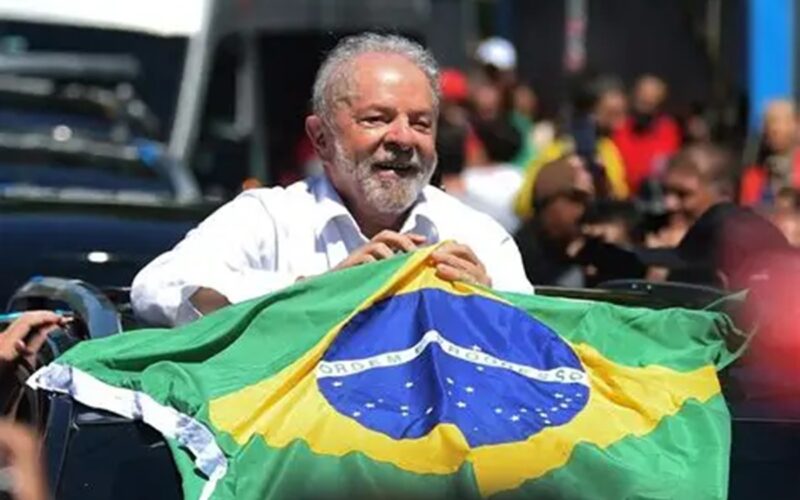
SÃO PAULO – A political feat destined for the history books. With an epoch-making comeback over the three weeks of the runoff campaign, Luiz Inácio Lula da Silva has triumphed in Brazil’s presidential election, securing a fourth term as leader of the South American country and abruptly halting the advance of Trump-style politics in Latin America.
The progressive leader – who will soon turn 81 – defied the pre-election forecasts by winning 51.74% of the vote, comfortably ahead of his rival Flavio Bolsonaro (son of former president Jair), who was left on 48.2%. Never in Brazil’s history had a candidate who lost the first round managed to overturn the final outcome of the election.
Bolsonaro refuses to accept defeat: “I will demand the vote be annulled”. But Parliament ratifies result
Lula’s victory did not immediately silence the controversy. Shortly after the final figures were released, Flavio Bolsonaro fiercely contested the result, refusing to concede defeat:
“It is impossible to accept the result of this vote under these conditions. I will demand the vote be annulled. For the first time in Brazil’s history, a judge extended voting by two hours, changing the rules mid-process.”
A stance of outright defiance that, however, appears isolated at an institutional level: the presidents of both houses of Congress had already officially ratified the election result before Bolsonaro’s speech, safeguarding the country’s democratic continuity.
Record turnout, the role of social media and environmental challenges
Lula’s victory is built on a record level of support, with more than 64 million votes and a two-percentage-point drop in abstention compared with the first round. A mass mobilisation that also overcame attempts at interference via social media, which had been at the centre of controversy over alleged restrictions on the distribution of content from the progressive candidate imposed by Meta’s platforms.
The victory of the veteran “worker president” has been warmly welcomed by civil rights movements, indigenous communities and international environmental organisations, who see the new term as a guarantee for the revival of policies to protect the Amazon.
“I will govern with the right-wing Congress elected by the people”
Aware of the complex political landscape that has emerged from the ballot box, Lula quickly adopted a pragmatic tone in his first off-the-cuff speech in São Paulo, delivered in front of a sea of celebrating supporters in red shirts:
“I thank the generosity of the young Brazilians who fought to defend democracy,” the president-elect said. “Many say I will struggle to govern, but this right-wing majority Congress was freely elected by the people, and it is with them that I will work to pass the reforms the country needs.”
As Avenida Paulista in São Paulo and the Copacabana seafront in Rio de Janeiro were flooded by millions of jubilant supporters, Brazil prepared to turn a new page in its political history.