Translated automatically by AI from the Italian original.
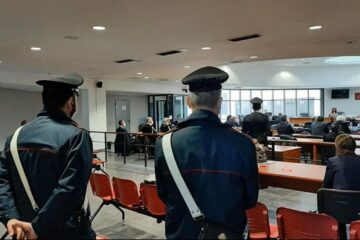
MESSINA / NEWS – Tensions flared immediately in Courtroom C of the Court of Messina, where the trial officially began for the notorious scandal of inflated expenses at the University of Messina. At the centre of the proceedings is the university’s former rector, Salvatore Cuzzocrea, who faces charges of embezzlement and forgery. According to the Public Prosecutor’s Office, between 2019 and 2023 the former head allegedly received approximately €2.5 million in reimbursements linked to research projects at the ChiBioFarAm department.
[Image: The Palace of Justice and the courts where hearings are held in Messina]
Preliminary objections and the opening of the debate
The first hearing opened with a fierce procedural battle. Cuzzocrea’s defence lawyers, Bruno Andò and Elena Florio, raised a preliminary objection, complaining that they had not received the full documentation produced by the financial police (Guardia di Finanza) during the preliminary investigations. After public prosecutor Roberta La Speme responded, the judging panel – presided over by Judge Rita Sergi – retired to chambers and rejected the request, giving the go-ahead for the evidentiary phase.
Alongside Cuzzocrea on the defendants’ bench are the department’s former administrative secretaries, Leonarda Urzì and Antonino Santino Zagami (represented by lawyers Marco Gangi and Lillo Cammaroto), while a fourth person under investigation, lecturer Sebastiano Campagna, has opted for an abbreviated trial.
The first witness’s testimony and the hearing schedule
The long parade of witnesses (around a hundred are expected) was opened by Paolo Todaro, a former member of the Academic Senate and the first to publicly denounce the unusually high number of reimbursements received by the then-rector. Pressed during cross-examination by the defence lawyers, Todaro retraced the anomalies he had found in the financial statements published on the university’s website.
After the testimony, tensions flared again over the trial schedule: while the prosecution requested two hearings per month to manage the large number of witnesses, the defence argued that this pace would be overly burdensome. The court nevertheless confirmed the schedule.