Translated automatically by AI from the Italian original.
MILAN – The smashed shop windows, the looting in the city centre and the anger that erupted on the streets of Milan and other Italian cities over the rising cost of living and lack of prospects have sparked a heated debate within Italy’s rap and hip hop scene. An open confrontation ranging from outright support for the protesters’ demands to self-critical reflection on the models of ostentatious wealth displayed by the artists themselves.
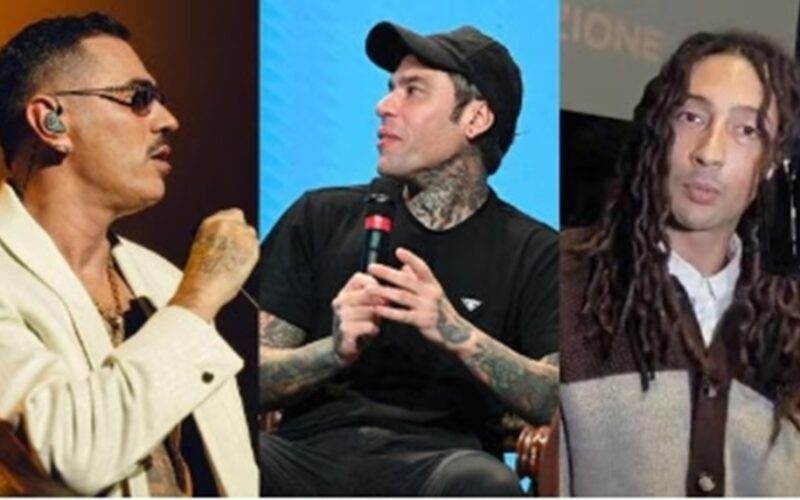
Marracash lights the fuse, Fedez attacks: “We flaunt luxury and then we celebrate them”
The debate was opened by Marracash: “You don’t change things by being nice,” the rapper from Barona wrote on his social media. A statement that drew fierce criticism, to which the artist responded by rejecting accusations of inciting violence: “I have never praised violence, but when it happens you have to ask yourself questions: it is a symptom of society’s failure. Having made money does not stop me from fighting for a fairer world.”
Diametrically opposed was the view of Fedez, who pointed the finger at the hypocrisy of the industry and urged young people to “distrust wealthy artists”:
“I know the frustration of the outskirts and the adrenaline of money,” Fedez said. “That is why the shop windows in the city centre are the perfect target: they represent what is denied to those young people. But we are also the ones promoting that idea of life and success, we who go to fashion shows and post pictures of luxury watches. We are also on display in those shop windows.”
Frankie Hi-Nrg Mc to La Repubblica: “Fedez plays the baron, we should distrust him too”
Writing in La Repubblica, Frankie Hi-Nrg Mc, the dean of Italian rap, intervened. While describing Fedez’s premise (“distrust the rich”) as the best part of his argument, the Turin rapper criticised his role:
“It is an age-old dynamic: that of the baron who claims to explain to the poor how to start a revolution. We should distrust, and Fedez is playing exactly that role: we should distrust him too. The problem is not rap but society: privatisation and a lack of prospects. As for Marracash’s words, I say they should be listened to and not suppressed, otherwise the conflict will escalate. In the broken shop windows, there are those who find votes.”
From Ghali to Sayf, Nayt and Nerone: the scene divides
Statements by fellow artists reveal nuances and differing judgments:
- Sayf and Ghali: For Sayf (second at Sanremo 2026) “the problem is a system that puts profit above people’s lives and dignity”; Ghali urges people “not to be distracted and to talk about those who are protesting peacefully to seek answers”;
- Nayt and Luchè: Nayt highlights how “a false material well-being has made even the poorest middle-class”; Luchè quotes his own lyrics (“I don’t want union, I want division”);
- Nerone: Nerone strongly condemns the violence, distinguishing the millions of citizens protesting peacefully from “400 minor clowns who smashed up shops like the worst kind of animals”.