Translated automatically by AI from the Italian original.
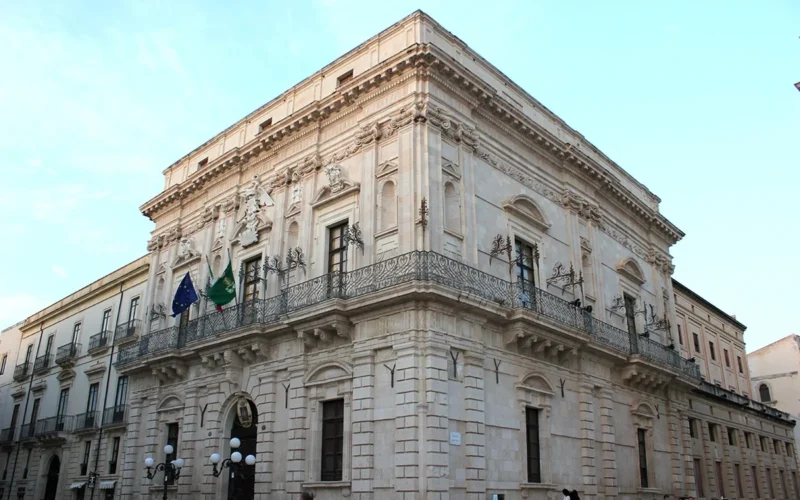
SYRACUSE – Reactions from Syracuse’s civil society show no sign of abating the day after the heated Municipal council debate on the Nexus inquiry, which involves political figures, technical staff and law enforcement over alleged irregularities in the awarding of public contracts at Palazzo Vermexio.
In an official statement signed by spokesperson Davide Biondini, the Ortigia Cittadinanza Resistente committee acknowledged the statements made in the chamber by mayor Francesco Italia and the member of the municipal executive responsible for legality, Pierpaolo Coppa, while stressing that crucial questions remain unanswered about the authority’s past management of internal controls.
“What controls were carried out in previous years?”
According to the civic committee, the account provided by the administration has focused mainly on the countermeasures and controls activated after the detentions on 14 October, leaving the preceding years in the shadows:
“We note that the mayor and the member of the executive for legality have set out in detail the checks launched after 14 October,” the spokesperson Davide Biondini said. “They have not, however, provided equally precise answers to the central question: what controls were carried out in previous years, when news had already emerged of investigations and possible anomalies in the awarding of contracts? What initiatives were taken, with what actions and with what results?”
The association highlights the disparity between the single tender caught up in the judicial inquiry and the total economic volume managed by the municipality: “The inquiry concerns a contract worth about €1.6 million, against spending quantified by the member of the executive himself at about €1 billion over the last five years. The city has a right to know whether the conduct described in the court order represents an isolated exception or indicates more widespread failings in the control system.”
The proposal: article 18 inquiry commission and analysis using ANAC indicators
To ensure an independent, third‑party assessment, the committee makes an open appeal to all municipal councillors, both majority and opposition, to use the statutory tools to establish a Municipal council inquiry commission under article 18 of the municipal statute, supported by an independent external audit.
The council control body’s scope should focus on acts issued between 2021 and 2026:
- Tenders and awards: Systematic review of below‑threshold awards and external professional appointments;
- Rotation and variations: Verification of compliance with the principle of company rotation and approval of variations during works;
- Pilot cases: Mass data analysis using the risk indicators developed by the National Anti‑Corruption Authority (ANAC), starting with the files linked to the Cassibile hostel project.
“While the determination of criminal responsibility lies solely with the judiciary, respecting the presumption of innocence,” Davide Biondini concluded on behalf of Ortigia Cittadinanza Resistente, “checking how the administrative machinery works and identifying political‑administrative responsibilities is a duty from which the Municipal council cannot and must not shy away.”