Translated automatically by AI from the Italian original.
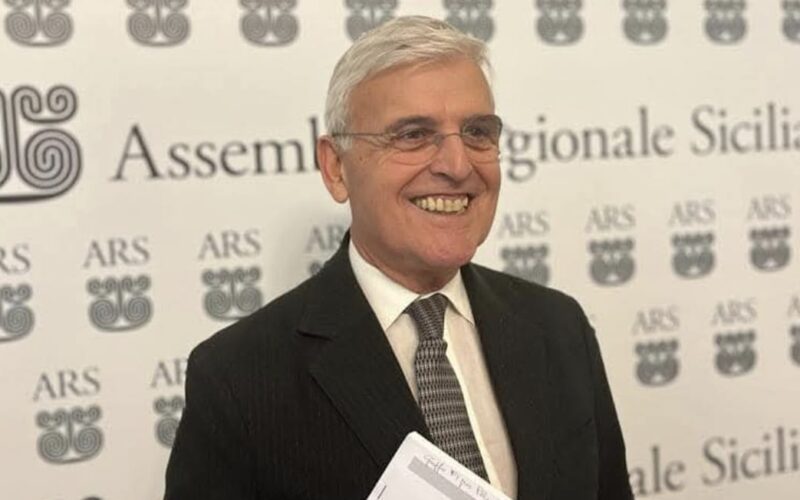
PALERMO / REGION OF SICILY – A fierce clash is unfolding over the guidelines of the Region of Sicily’s new Stability Law, approved by the Schifani regional executive. After the sharp criticism from the Cgil Sicilia general secretary, Alfio Mannino, who branded the framework of the manoeuvre “shameful” and announced a general strike for 20 November, comes the firm and detailed response from Forza Italia’s group leader in the Sicilian Regional Assembly, Stefano Pellegrino.
In the view of the Forza Italia representative, the confederate union’s positions have now gone beyond the sphere of contractual protection to become outright, preconceived political opposition to the regional government.
Pellegrino: “Cgil now an active political party, verdict written before the figures”
In his reply, the Forza Italia group leader questions the neutrality of the assessments made by the regional Cgil on the executive’s budget choices:
“We respect the union and the role the Constitution assigns it, but Mannino’s words confirm a choice that is now clear and final: Cgil Sicilia has decided to be an active political party. To call a manoeuvre just approved by the executive ‘shameful’ when its details are practically unknown is to have written the verdict before reading the figures. This is confirmed by the 20 November strike, proclaimed on the same day against the national government and the regional one. It is a platform of alignment, more attentive to a partisan political stance than to the interests of the world of work.”
Bank of Italy data and precarious workers dossier: the defence of the Schifani manoeuvre
In support of the regional government’s work, Pellegrino cites the island’s macroeconomic data and defends the expansionary approach to resources:
- Employment growth: “The results of these years are certified by the Bank of Italy: compared with the first half of 2022, employment in Sicily has grown by 12.5%, against a national average of 5.6%. President Schifani’s manoeuvre focuses efforts on stable jobs, young people and businesses, backed by measures such as payroll tax relief and South working.”
- Stabilising precarious workers: “On precarious workers in local authorities, the process can be completed in the chamber, using the same rigorous method with which we gave full-time contracts to former Pip, Keller and Pumex workers.”
- Managing the surplus: “Mannino’s words on the surplus speak for themselves. If resources are not used, it is called immobilism; if they are used, it is called clientelism: this is the typical reasoning of someone with no arguments. We will continue to engage on the merits in committee and in Sala d’Ercole.”