Translated automatically by AI from the Italian original.
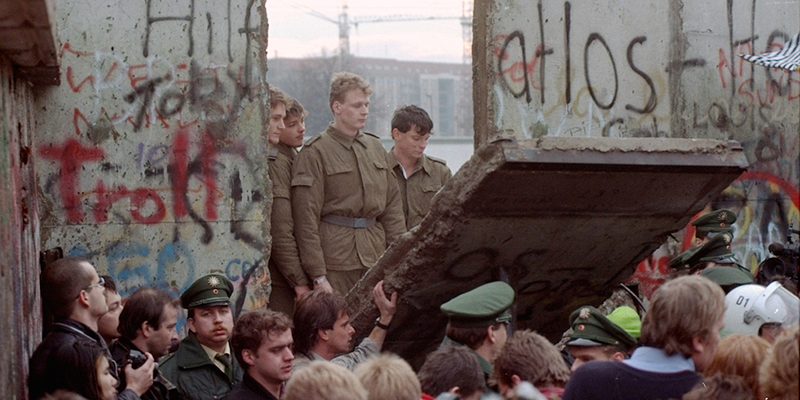
German chancellor Friedrich Merz has issued a strong call to defend democracy and freedom in Germany and Europe on the 37th anniversary of the fall of the Berlin Wall.
In a message posted on X, Merz recalled the deep historical significance of 9 November, a date that unites the darkest and brightest pages of the country’s history: from the tragic Night of Broken Glass in 1938 and the anti‑Jewish persecutions, through the proclamation of the Republic in 1918, to the joy of the Wall’s fall in 1989.
Stressing that freedom is never a permanent achievement, the chancellor urged everyone to actively protect these fundamental values, both nationally and across Europe.
The historic turning point: the fall of the Berlin Wall
9 November 1989 is one of the defining dates of the 20th century. The fall of the Berlin Wall not only tore down the ultimate symbol of the East‑West divide but also sealed the inevitable decline of communist regimes in eastern Europe.
On that historic day, for the first time since its construction in 1961, a flood of East Berliners poured freely into the West. It was an extraordinary and unexpected event, triggered by a combination of chance circumstances: a gaffe by an East German official at a press conference and the foresight of a border guard.
The Night of Broken Glass (Kristallnacht)
Between 9 and 10 November 1938, Nazi Germany witnessed the Kristallnacht, a brutal wave of pogroms and systematic violence against the Jewish population. Over those two days, synagogues, shops, property and homes belonging to Jewish citizens were stormed, looted and set alight, while people suffered violence and public humiliation.
Active participants in the attacks included not only party organisations—such as the SA, the SS and the Hitler Youth—but also many German civilians, who saw the event as an opportunity to carry out looting and harassment.
Although the Nazi leadership, including Adolf Hitler and Propaganda Minister Joseph Goebbels, had meticulously planned and coordinated the entire operation, they tried to pass it off as a spontaneous popular uprising. The violence was cynically justified as a reaction to the killing of a German diplomat by a Jewish teenager, skilfully exploiting the incident as a pretext to unleash a nationwide, state‑sponsored persecution.