Translated automatically by AI from the Italian original.
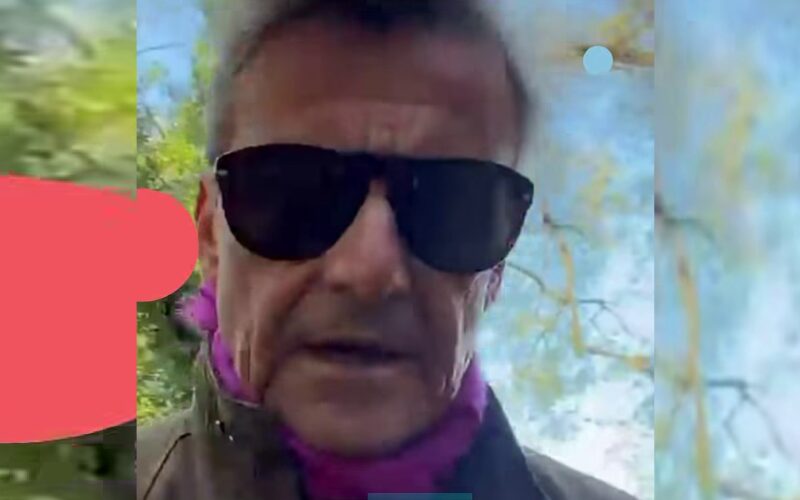
FOREIGN AFFAIRS & POLITICS – “Do we really want to hand Libya over to Russia? That is the question we must ask ourselves.” With this question Carlo Calenda opens a post published on Facebook to comment on the reactions following the Ukrainian attack on two convoy ships heading to eastern Libya and carrying weapons, according to the leader of Azione.
In the video, Calenda notes that in recent days almost all political forces have commented negatively on the episode, yet in his view have failed to address the overall strategic picture linked to the Russian presence in eastern Libya, where forces loyal to General Haftar operate, along with logistical structures and around 1,200 trainers.
The Mediterranean, Nato’s southern flank and migration flows
According to Calenda, Moscow’s goal would not only be to support Haftar’s advance across the entire Libyan territory, including the western areas closest to the Italian coast, but also to offset the loss or reduction of its presence in Syria in order to maintain a direct outlet to the Mediterranean.
This projection, the politician warns, would pose a direct threat to Nato’s southern flank and to Italy, both militarily—due to the geographical proximity in terms of drones and missiles—and in terms of managing migration flows. Calenda also cites the actions of the Africa Corps (formerly the Wagner Group) in several African countries, arguing that Ukraine ends up helping the populations exposed to those presences as well.
Appeal to Parliament and clash with government and opposition
“What are we prepared to do to avoid handing it over? – Calenda continues –. This is the debate that should be happening in Parliament today, but it is not because everyone is talking about electoral matters and riding the wave of emotions.”
In the sights of the Azione leader are both the executive and the opposition: on the one hand, he asks what the Italian government intends to do concretely “apart from calling Zelensky”; on the other, he harshly criticises the opposition’s attitude, accusing them of staying on the sidelines of the strategic debate as if “they were playing GTA”.