Translated automatically by AI from the Italian original.
KYIV / MOSCOW – A new and dramatic escalation of violence is marking the Ukrainian front. President Volodymyr Zelensky reported to the judicial authorities what he called a “horrific” Russian bombing of a village in the south-east of the country that killed 18 people. The guided-bomb attacks particularly targeted a school being used by the local population to distribute humanitarian aid. There was also tragedy in the Vinnytsia region, where a drone strike on a training centre killed two people, including a 13-year-old girl.
On the diplomatic and military front, tension remains extremely high as the humanitarian truce that temporarily allowed the evacuation of hundreds of civilians from the Oleshky area expires.
End of the Oleshky truce and blackout in Donetsk
The humanitarian ceasefire in the area of the city of Oleshky, in Russian-occupied southern Ukraine, has officially ended. The Ukrainian human rights mediator, Dmytro Lubinets, confirmed that the truce had allowed the delivery of essential supplies and the securing of civilians, including 167 people evacuated from Kherson. Kyiv had proposed extending the agreement, but this option was rejected by the Moscow authorities. The initiative had also drawn comment from US first lady Melania Trump, who expressed the hope that the agreement could become “the starting point for a lasting peace”.
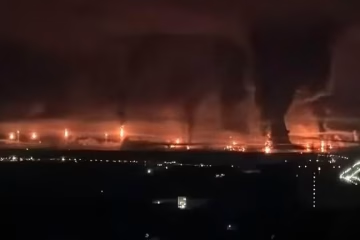
Meanwhile, on the eastern front there are serious power supply problems: the Russian-controlled city of Donetsk has been partially left in the dark by a blackout that affected more than 276,000 users, following heavy Russian attacks on Ukrainian electrical infrastructure. There are also reports of anomalies in the official air-raid alert app of the Kyiv armed forces, which is suspected of having suffered a cyberattack.
Zelensky’s moves: the Patriot missile trade-off and the Turkey summit
In an interview with the US broadcaster Fox News, President Zelensky said he was prepared to suspend attacks on Russian oil refineries for one month – accepting a request from US President Donald Trump aimed at curbing inflationary pressure on fuel prices – provided that Washington supplies Ukraine with Patriot air defence systems.
On the negotiating table:
- No territorial bartering: Zelensky reiterated to CNN Türk that Kyiv will not give up territories not conquered on the battlefield by Russia, describing the Kremlin’s demands – conveyed through US mediators – as irrational.
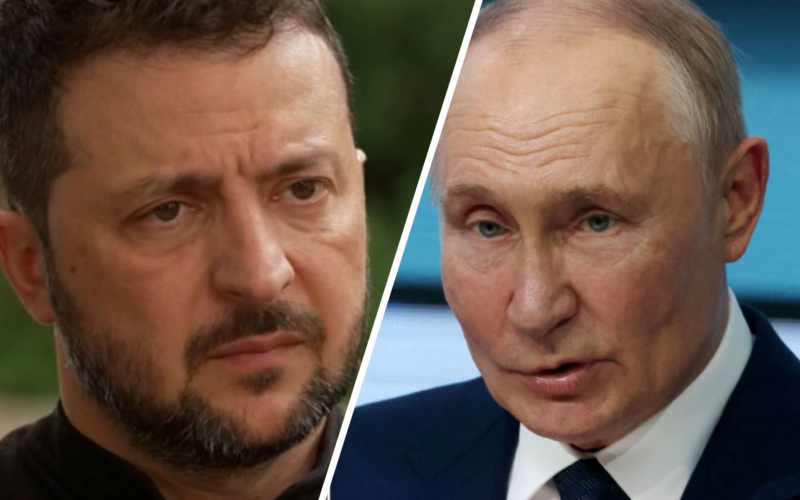
- Meeting in Turkey and G20: The Ukrainian leader said he was ready to meet Vladimir Putin in Turkey under the mediation of President Recep Tayyip Erdoğan, and also confirmed that he had received unofficial signals about a possible invitation to the next G20 summit promoted by the Trump presidency.
US chill: Marco Rubio’s doubts about peace in the short term
Despite the diplomatic efforts, US Secretary of State Marco Rubio is said to have expressed strong scepticism in private talks on the sidelines of the G20 in Atlanta about the feasibility of a peace agreement in the coming months. According to diplomatic sources, Rubio currently considers Ukraine’s accession to NATO unrealistic – indicating that joining the Alliance is a red line for the Kremlin – and has warned that even full control of the Donbas would not stop Moscow’s territorial claims.
Tensions are also being recorded on the cultural and sporting fronts: the Ukrainian foreign ministry has strongly criticised the decision by the Court of Arbitration for Sport (TAS) to allow Russian national ice hockey teams to return to international competitions, while Moscow’s diplomacy has attacked the Polish authorities over the internal institutional crisis in Warsaw.