Translated automatically by AI from the Italian original.
BERLIN – The German economy remains mired in a structural crisis that no political remedy or investment programme currently seems able to resolve. Figures from the Federal Statistical Office (Destatis) confirm that in the third quarter of 2025 gross domestic product (GDP) was flat in real terms, after a 0.2% contraction in the previous quarter (April–June).
The much-heralded economic turnaround promised by the coalition government led by Chancellor Friedrich Merz (CDU) is not reflected in the data. The labour market is also showing growing strain: in September employment fell by 21,000 (the fifth consecutive monthly decline), adding to the average loss of 15,000 jobs each month from May to August.
The causes of the decline: car industry in freefall and widening gap abroad
The current slowdown has unprecedented features in the recent history of the Federal Republic: in ten of the last twelve quarters the German economy has contracted or stagnated.
A comparison with the pre-pandemic era (2019) reveals the scale of the global gap:
- Germany: Economic output essentially unchanged since 2019.
- United States: Overall growth of 13% over the same period.
- Poland: Record production increase of 15%.
Particularly emblematic is the shrinking of the automotive sector. According to analysis by the consultancy AlixPartners, over eight years Germany has slipped from first to fourth place worldwide among car-exporting countries, overtaken by China, which has risen from sixth to first.
While Berlin struggles, the rest of the eurozone shows signs of recovery: in the third quarter Spain’s GDP rose by 0.6% and France’s by 0.5%.
Political reactions and outlook for 2026
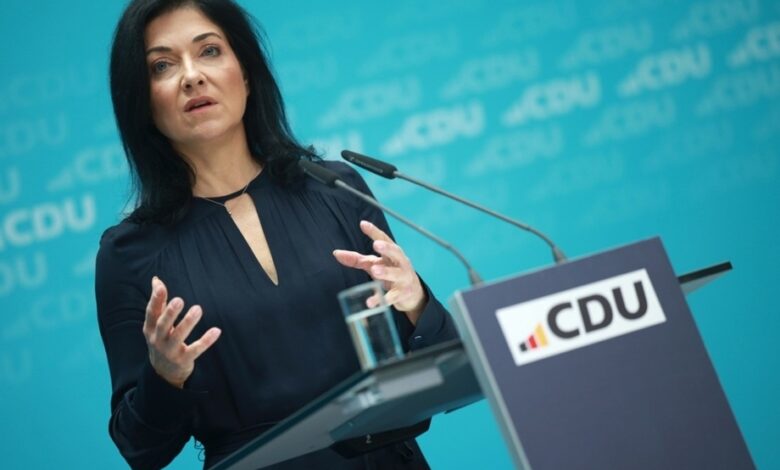
Faced with persistent weakness in manufacturing indicators and a climate of consumer distrust, the economy minister Katherina Reiche (CDU) has called for sweeping measures:
“Now we must reform social systems, significantly cut red tape, make supply chains more resilient, expand the labour supply and ensure public finances are sustainable.”
— Katherina Reiche, Economy Minister
Financial analysts agree: Jörg Krämer, chief economist at Commerzbank, noted that the effects of the government’s fiscal package will only be felt in 2026, but warned that without structural reforms the positive impact risks being temporary. The picture is further weighed down by the fall in industrial orders (at their lowest since 2010) and the decline in the DIW economic barometer, which fell to 91 points in October, held back by Chinese competition and tensions in international trade.