Translated automatically by AI from the Italian original.
Kallas: “Moscow’s proposals are absurd”
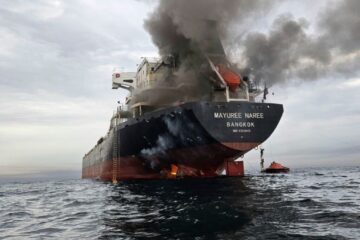
At the Foreign Affairs Council in Brussels, the EU draws up its counter-conditions, though it remains excluded from direct talks. On the ground, attacks continue: three merchant ships hit in Romanian waters and the Kerch bridge.
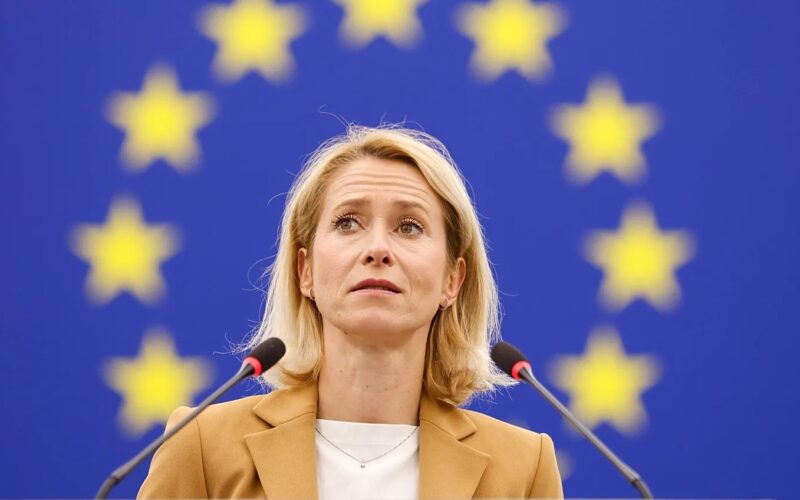
The EU has countered Moscow’s demands by presenting its own list of counter-requests, including the immediate withdrawal of Russian troops from Georgia and Moldova. The announcement was made by the High Representative for Foreign Affairs, Kaja Kallas, before she chaired the Foreign Affairs Council in Brussels. “I do not believe the Russian proposals are serious; they are absurd,” the former Estonian prime minister said, stressing that none of the countries involved – Ukraine included – had ever attacked Russia: “They are the aggressor, and there is only one victim.”
Despite the firm tone, the diplomatic weight of this list appears diminished by the negotiating dynamics. Kallas, in fact, is not part of the delegation taking part in the ongoing talks in Abu Dhabi. As agreed last Friday at the informal summit in Dublin, the Western front is represented by the UK, France, Germany, Italy and Poland, alongside the President of the European Council and NATO; however, Europeans do not yet have a seat at the direct negotiating table with the Russians. The “maximum demands in response to Moscow’s maximum demands”, as Kallas described them, thus represent an attempt by Brussels to carve out an incisive role in negotiations from which it is currently sidelined.
To assert its position, the EU is relying on two main tools: maintaining sanctions and control over the approximately €200 billion of Russian assets frozen in Europe. At the same time, European ministers are considering a new package of restrictive measures targeting banks, buyers and companies linked to the so-called “shadow fleet” – the oil tankers used by the Kremlin to bypass the crude oil embargo.
Moscow’s response was swift. Commenting on the hard line expressed by Ursula von der Leyen and Brussels leaders – centred on unconditional support for Kyiv and increased pressure – Kremlin spokesman Dmitry Peskov told the Tass news agency that such positions “clearly show a lack of willingness to promote a peaceful solution”.