Translated automatically by AI from the Italian original.
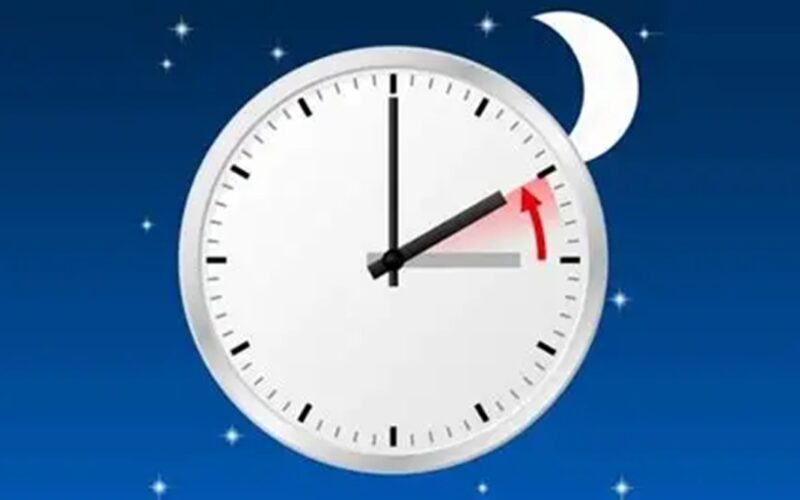
ROME / HEALTH & SOCIETY – It is time to reset the clocks. On the night between Saturday, October 24, and Sunday, October 25, 2026, the switch back to standard time will officially take effect. At 3:00 a.m., clocks must be set back one hour to 2:00 a.m.
This change will give an extra potential hour of sleep over the weekend, but it requires some care to avoid repercussions on psychophysical well-being and circadian rhythms.
Electronic devices and clocks: what to do
Most smartphones, tablets, computers and smartwatches that are properly connected to the network will update automatically. Manual adjustment will instead be necessary for:
- Analog wall and wrist clocks (non-radio-controlled).
- Appliance displays, traditional alarms and car instrument panels.
Useful tip: Avoid manually changing the time on mobile phones before the switch to prevent the risk of a double automatic update.
Less evening light, but the length of the day remains the same
Moving the clocks does not reduce the total duration of sunlight, but it shifts the perceived timing. With standard time, the sun will rise and set one hour earlier: mornings will be brighter, while darkness will arrive earlier in the late afternoon.
The gradual reduction in natural light remains a phenomenon linked to the autumn seasonal cycle and not to the conventional adjustment of clocks. Sunlight is the main “synchronizer” of our circadian system, the internal clock that regulates the alternation between wakefulness and sleep.
The biological effects: a small autumn “jet lag”
Despite the extra hour gained, the human body does not instantly adapt to the new times. As explained by neurologist Luigi Ferini-Strambi, the change can cause a temporary biological misalignment comparable to a micro jet lag, manifesting as:
- Mild episodes of daytime sleepiness or fatigue.
- Irritability and minor mood swings in the immediately following days.
The position of the American Academy of Sleep Medicine highlights that standard time is biologically more aligned with the human body’s natural rhythms than daylight saving time.
Rules to protect rest
To limit discomfort, experts from the NIOSH (the US National Institute for Occupational Safety and Health) recommend adopting good sleep hygiene practices:
- Maintain regularity: Avoid going to bed excessively late just because of the extra hour.
- Suitable environment: Ensure the bedroom has a cool temperature and is free from disturbing noises or light sources.
- Drive carefully: Pay attention to microsleeps and fatigue if you get behind the wheel in the first few days after the change.
When will daylight saving time return? The status of abolition in the EU
The return to daylight saving time is already scheduled for the night between Saturday, March 27, and Sunday, March 28, 2027, when clocks will move forward one hour again.
Although the debate opened in 2018 by the European Commission on the possible abolition of seasonal time changes, the Council of the European Union confirms that, in the absence of a definitive agreement among member states, the biennial alternation system officially remains in force at least until the 2027–2031 period.