Translated automatically by AI from the Italian original.
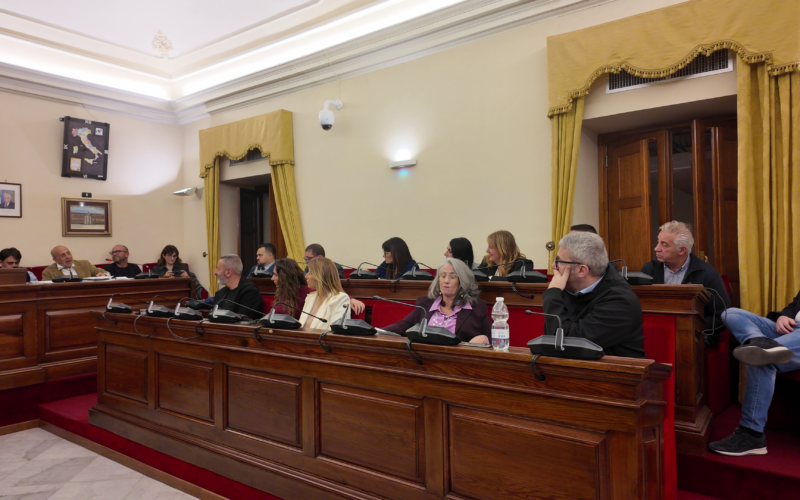
MISTERBIANCO / CATANIA / ENVIRONMENT – The political and institutional front over the future of the Motta Sant’Anastasia plant hub has flared up again. Speaking yesterday during the Municipal council meeting in Misterbianco, the ControCorrente group leader in the Sicilian Regional Assembly (ARS), Jose Marano, called for the immediate revocation of the decree expanding the Oikos landfill, describing the measure as conflicting with regional planning and a risk to public health.
[Image: Panoramic view of the area between Misterbianco and Motta Sant’Anastasia]
The appeal for a united front and the request to minister Savarino
According to the regional MP – who also serves as vice chair of the ARS Environment, Land and Mobility committee – the expansion would bring the plant to a total volume of about 5 million cubic metres of waste. Hence her call for joint action by authorities, associations and citizens:
“The fight against the expansion of the Oikos landfill in Motta Sant’Anastasia, which would bring the hub to a total volume of about 5 million cubic metres of waste, is a battle we must all wage together: politics, institutions, environmental associations and local committees, with a single goal: to protect citizens’ health. That is why I will ask minister Savarino today for the immediate revocation of the decree.”
Marano also announced her intention to formally invite the regional minister to the area to directly assess the environmental impact of the plant’s presence on the outskirts of the built-up areas of Misterbianco and Motta Sant’Anastasia.
Criticism of the Region’s waste management
In her speech in the chamber, the ControCorrente MP highlighted what she sees as a contradiction in the choices of Sicily’s executive, pointing to the inconsistency between planning instruments and authorisation acts:
“This affair stems from a fundamental contradiction: on the one hand, the Waste Plan does not envisage expansion; on the other, the regional government’s actions are effectively moving towards expanding the plant infrastructure. Not to mention the slogans launched by this very government about moving beyond the very concept of landfills thanks to the so-called incinerators, which, incidentally, when they were announced, had not even had their health and environmental impact studies carried out.”
In conclusion, Jose Marano urged the Region to definitively close the chapter on large landfills, preventing the consequences of plant choices from falling once again on local communities.