Translated automatically by AI from the Italian original.
Over 250 confirmed scams, hundreds of thousands of euros stolen and an organised criminal network operating between Turin and Syracuse. This is the outcome of an investigation by the financial police (Guardia di Finanza), which led to the execution of a precautionary measures order against six people under investigation for criminal association aimed at committing phone scams targeting religious institutions across Italy.
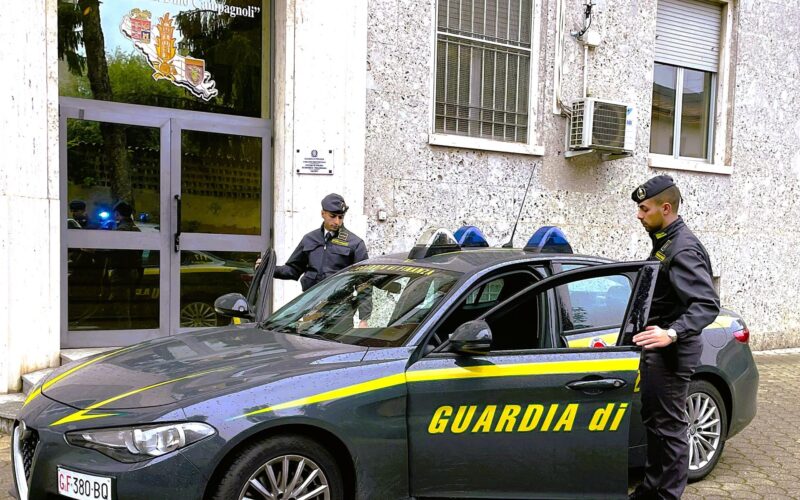
The order, issued by the preliminary investigations judge (G.I.P.) of the Turin Court, was carried out by the Guardia di Finanza of the Cremona Provincial Command, with support from the Economic and Financial Police Units of Turin and Syracuse.
The investigation began in February 2025, after a report was filed with the Cremona Economic and Financial Police Unit regarding an attempted scam against a religious institution. The criminals, posing as public officials, had contacted the victim, claiming that the Municipality had mistakenly credited non-existent ministerial funds and demanding repayment.
Starting from a mobile phone number and an IBAN code provided by the complainant, investigators uncovered hundreds of reports filed in various Italian cities, all sharing the same operational methods and links traceable to a single criminal organisation, active since at least August 2024.
According to investigators, the group had a well-defined structure with distinct roles. At the top was a Sicilian woman, who allegedly made hundreds of calls a day, posing as a municipal or regional official. The victims—primarily parish priests, religious figures and those in charge of monasteries and convents—were told that their institution had mistakenly received public funds exceeding the amount due. They were then asked to make an immediate bank transfer to return the supposed excess.
In some cases, the scammer made a second call, disguising her voice and pretending to be a bank director or employee of the victim’s bank, to lend credibility to the request. Victims were then given IBAN codes or Postepay cards registered to front people, often individuals with criminal records and no income.
Once the money was received, the intermediaries quickly withdrew it from Poste Italiane ATMs. More than 40 front people have been identified during the investigation. The funds were then transferred to the Turin-based members via money transfer services such as Ria, MoneyGram and Western Union. Typically, the operatives in the Syracuse area kept 50% of the proceeds.
Crucial to the investigation was the collaboration of Poste Italiane’s anti-money laundering office, which provided ATM camera footage and, in some cases, promptly blocked the cards, preventing the withdrawal of funds.
Phone intercepts allowed investigators to document numerous scams in real time and reconstruct the organisation’s operations. According to findings, the activity continued even after the notification, on 28 October, of summonses for preliminary hearings.
More than 250 incidents have been confirmed in total, with illicit profits amounting to hundreds of thousands of euros. In addition to the six individuals subject to precautionary measures, another ten are currently under investigation while at liberty. The investigation is coordinated by the Turin Public Prosecutor’s Office.