Translated automatically by AI from the Italian original.
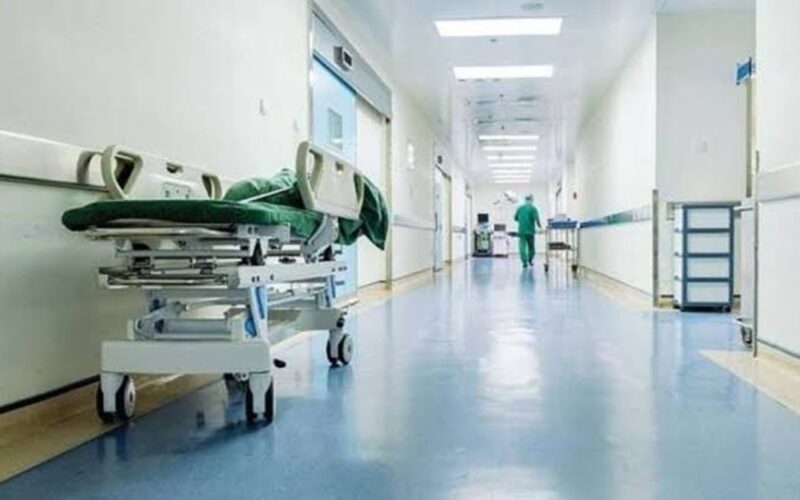
SYRACUSE / OPINION – Trying today, in November 2026, to book a specialist appointment or a diagnostic test within Syracuse province’s public healthcare system increasingly feels like an obstacle course. Despite transparency decrees and regional plans, anyone dealing with the single booking centre (CUP) often faces the same verdict: closed schedules or availability pushed well beyond legal limits, even into early 2027.
Health, however, does not wait for calendar deadlines. And it is precisely in the face of urgency that the most bitter short circuit in the Syracuse system occurs: by turning to intramural private practice—within the same hospitals and often with the same specialists—the wait magically shrinks to a handful of days. With an economic paradox that weighs like a millstone on families: in several cases, the intramural fee even exceeds that of external private clinics, forcing citizens to pay twice for treatment—first through taxes, then out of their own pocket.
The right to care and the forgotten safeguards
A patient is not a consumer choosing an optional service, but a vulnerable person for whom endless waiting feels like institutional abandonment. The disparity in access between those who can afford the paid shortcut and those forced to give up or delay treatment directly violates Article 32 of the Constitution.
Yet the tools to defend oneself do exist: the law provides that, if the CUP cannot guarantee the service within the maximum set times (30 days for appointments, 60 for diagnostic tests), the citizen can obtain it through intramural private practice at the expense of the national health service, paying only the co-payment charge. A sacred right that all too often remains on paper due to poor information and cumbersome bureaucracy that pushes many to resort to private spending out of sheer exhaustion.
As long as the paid route remains the only quick way out of the rubber walls of public bookings, healthcare in Syracuse will continue to walk a dangerous ridge, where the line between the right to health and economic privilege grows thinner every day.