Translated automatically by AI from the Italian original.
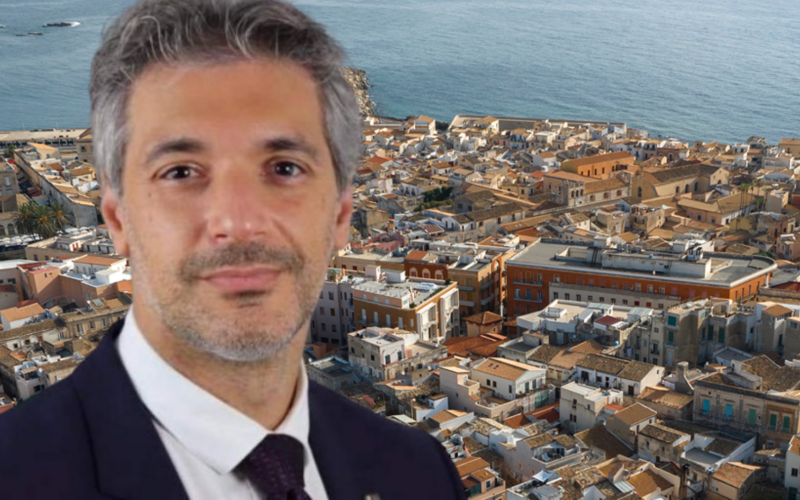
SYRACUSE – The management of the integrated water service and the governance of the company Aretusacque are again at the centre of political debate in Syracuse. Luca Cannata, an MP for Fratelli d’Italia and vice chair of the Budget Committee in the Chamber of Deputies, has levelled harsh criticism the day after the meeting of the ATI (Territorial Water Assembly) on 3 November.
At issue are the legal classification of Aretusacque, compliance with transparency and anti-corruption obligations, and the risk that economic repercussions will fall on household bills.
Cannata: “transparency needed on spending and contracts”
According to the Fratelli d’Italia MP, the service disruptions experienced by users demand an immediate institutional response and far stricter oversight:
“Citizens continue to suffer disruptions, inconvenience and unresolved problems with the water service. They are entitled to an efficient service and to know how the money they pay in their bills is being used. The ATI must insist that the company fully complies with the rules on public oversight, transparency and anti-corruption. Contracts, works and spending must be subject to transparent procedures and thorough checks to prevent inefficiencies that could end up being passed on to tariffs.”
— Luca Cannata, Vice Chair, Budget Committee, Chamber of Deputies
Cannata also accuses the ATI chair and mayor of Syracuse, Francesco Italia, of informing the Assembly late about the legal dispute that has arisen and of failing to involve the ANAC.
Political attack on Italia and Carta
The national MP identifies clear political responsibility for the problems recorded across the province:
“In Syracuse, citizens are dealing with a failed management of the water service. Mayor Francesco Italia and MP Giuseppe Carta (Grande Sicilia-MPA) must take political responsibility for this situation and provide concrete answers: resolve the problems and guarantee an efficient service.”
— Luca Cannata
Demands: documented review of costs and public oversight
At the ATI meeting it was decided to ask Aretusacque for detailed information on tenders and the execution of works. Cannata considers this a necessary step but still insufficient:
- Lack of reports: Mayors, a year and a half after the Supervisory Board took office, still do not have a detailed report on the activities carried out.
- Cost review: A complete, documented map is requested of all works contracted so far, the related tender procedures and the control mechanisms adopted.
“Now we need action. The ATI must enforce the rules of public oversight. I will continue to work to protect families and businesses: an efficient service and no unjustified costs on bills.”